 Tiếng anh
 Vietnam
Occupational Environmental Monitoring: The 10 Risk Factors | Wellbeing
Occupational environmental monitoring is the process of collecting, analyzing, and evaluating measurement data of environmental factors at the workplace to implement measures that minimize health hazards and prevent occupational diseases.
Occupational environmental monitoring is the process of collecting, analyzing, and evaluating measurement data of environmental factors at the workplace to implement measures that minimize health hazards and prevent occupational diseases.
This is a foundational step to protect workers' health, prevent occupational diseases, and ensure corporate compliance with legal regulations. According to Article 18 of the 2015 Law on Occupational Safety and Health, employers are responsible for organizing periodic occupational environmental monitoring at least once a year for harmful factors with permissible exposure limits, allowing for the timely implementation of appropriate control measures.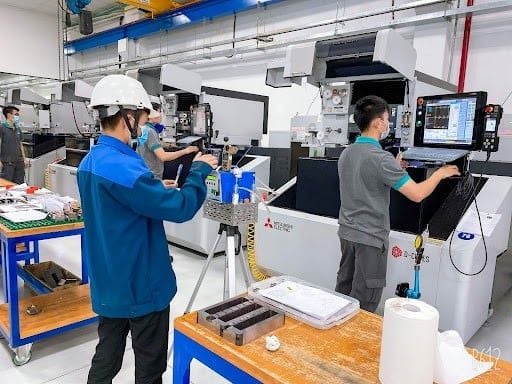
1. 10 Hazardous Factors to Check in Occupational Environmental Monitoring
1. Microclimate
Microclimate is a common occupational environmental risk factor, encompassing temperature, humidity, wind speed, and thermal radiation at the workplace. Unsuitable microclimate conditions can cause fatigue, reduced concentration, and long-term health effects, especially in manufacturing, construction, and metallurgy.
2. Physical Factors
Physical factors such as noise, vibration, lighting, and pressure are frequently encountered in factories, construction sites, and production areas. Prolonged exposure to loud noise or strong vibrations can lead to hearing loss, neurological disorders, and musculoskeletal diseases.
3. Chemical Factors
Chemical factors represent a high-risk category, including toxic fumes, solvents, heavy metals, and volatile organic compounds (VOCs). Chemical monitoring helps evaluate the level of exposure and the risk of acute or chronic poisoning for workers.
4. Non-Ionizing Radiation
This includes electromagnetic waves, infrared (IR), and ultraviolet (UV) rays emitted from electrical equipment, machinery, and metal welding/cutting activities. Excessive exposure can cause damage to the skin, eyes, and nervous system.
5. Radioactivity (Ionizing Radiation)
Radioactivity is a specific risk factor typically found in the medical, mining, and energy sectors. Radiation monitoring ensures that workers' exposure levels always remain within safe, regulated limits.
6. Dust
Total dust, respirable dust, silica dust, and metal dust are significant risk factors that can cause occupational lung diseases if workers are exposed to high concentrations over a long period.
7. Microbiological Factors
Microbiological factors such as bacteria, viruses, and mold are common risks in healthcare, food processing, and waste treatment. Microbiological monitoring helps control the risk of infection among employees.
8. Psychophysiological Factors
High work intensity, immense pressure, and prolonged working hours are also considered occupational risk factors, directly affecting mental health and work efficiency.
9. Ergonomics
Improper working postures, poorly designed machinery, seating, and work tools are ergonomic risk factors that can cause fatigue, pain, and musculoskeletal injuries.
10. Labor Organization and Arrangement
Irrational shift scheduling, task delegation, and working conditions can exacerbate workplace risks, leading to accidents and long-term health decline.
2. How Monitoring Helps Businesses Detect Risks Early
Occupational environmental monitoring is a vital tool that helps businesses detect risk factors early, before they cause severe health impacts or occupational diseases. Many factors such as respirable dust, toxic gases, noise, or microorganisms cannot be detected by human senses but silently accumulate over time.
Through monitoring, businesses can:
-
Accurately assess workers' exposure levels to harmful factors at each specific workstation.
-
Compare measurement results with national technical regulations on occupational hygiene.
-
Identify high-risk areas and processes to prioritize hazard control.
Early detection allows businesses to proactively improve working conditions, minimize risks, and boost labor productivity.
3. Developing an Occupational Environmental Monitoring Plan
To effectively control workplace risks, businesses must systematically develop an occupational environmental monitoring plan based on clear legal grounds and actual production conditions. According to Article 36 of Decree 44/2016/ND-CP, the basis for developing this plan includes:
-
Occupational Hygiene Dossier: Reviewing the facility’s occupational hygiene profile, production processes, working conditions, and potential risk areas to fully identify the factors needing monitoring, the number of samples, and corresponding sampling locations.
-
Worker Exposure Data: The number and location of workers directly exposed to hazardous factors, particularly those engaged in heavy, toxic, dangerous, or exceptionally heavy, toxic, and dangerous occupations.
-
Newly Arising Factors: Any new harmful factors arising from changes in technology, equipment, materials, or production processes including microorganisms, allergens, and potential carcinogens not previously recorded in the occupational hygiene dossier.
Additionally, before December 31 each year, the facility must submit a report on occupational safety technical inspection, occupational safety and health training, and environmental monitoring to the local state management agency where the business is headquartered and where employees are working.
4. Frequency and Mandatory Cases for Monitoring
According to Article 18 of the Law on Occupational Safety and Health (2015), Clause 2, Article 7 of Decree 39/2016/ND-CP, and Article 35 of Decree 44/2016/ND-CP:
4.1. Periodic Monitoring Frequency:
-
Occupational environmental monitoring must be conducted at least once a year for harmful factors with permissible exposure limits.
-
The inspection and evaluation of dangerous factors must also be performed at least once a year to ensure safe operations.
4.2. Cases Requiring Supplemental Monitoring: In addition to periodic checks, businesses are responsible for organizing supplemental monitoring in the following scenarios:
-
When changes in technology, production processes, equipment, or materials generate new hazardous or harmful factors to workers' health.
-
When renovating, expanding factories, or changing the layout/production conditions in a way that may affect the working environment.
-
Upon the request of competent state management agencies.
-
When the monitoring organization detects abnormal signs and recommends additional monitoring.
-
When previously unmonitored harmful factors are discovered (e.g., microorganisms, toxic gases, allergens, carcinogens).
Monitoring activities must be conducted under normal production conditions, using calibrated equipment, and complying with current national technical regulations. Developing a compliant monitoring plan not only helps businesses adhere to the law but also serves as the foundation for risk control, improving working conditions, and ensuring sustainable occupational safety for workers.
Comments:
There are no comment for this news.

.png)
.png)